

06.08.2026
Routine Targeted Next-Generation Sequencing Begins in Namibia
First Tuberculosis Samples Arrive in the Sequencing Lab
Targeted Next-Generation Sequencing (tNGS), endorsed by the World Health Organization since 2023, can help close critical gaps in the diagnosis of drug-resistant tuberculosis (DR-TB). The technology enables the rapid and comprehensive detection of genetic mutations in the bacterium Mycobacterium tuberculosis that cause resistance to antibiotics. By identifying these resistance-conferring mutations early, clinicians can select effective treatment regimens much sooner. This helps prevent ineffective therapy, shortens the time to appropriate treatment, reduces the risk of ongoing transmission, and ultimately improves patient outcomes.
In 2024, tNGS was approved for routine clinical use in Namibia, marking a milestone to which our implementation project, conducted under the Global Health Protection Program (GHPP) and funded by the German Federal Ministry of Health, made a significant contribution. The decision by Namibian’s Ministry of Health and Social Services was strongly informed by the World Health Organiszation’s (WHO) endorsement of tNGS as well as by evidence generated through the Sub-Saharan SeqNET framework and published by de Araujo, Cabibbe, Muuhlu et al. in Frontiers in Public Health in 2023.
Following this approval, the Namibia Institute of Pathology (NIP) began preparing to incorporate tNGS into Namibia’s national TB diagnostic algorithm. Reaching the stage of routine implementation, however, required more than a year of sustained effort, close collaboration and capacity-building.
This week marked a major breakthrough: we received the first batch of clinical samples for routine tNGS testing (photo). As Olga Shavuka, a local laboratory scientist and PhD student, proudly announced: “We have officially started Next Generation Sequencing for the country.”
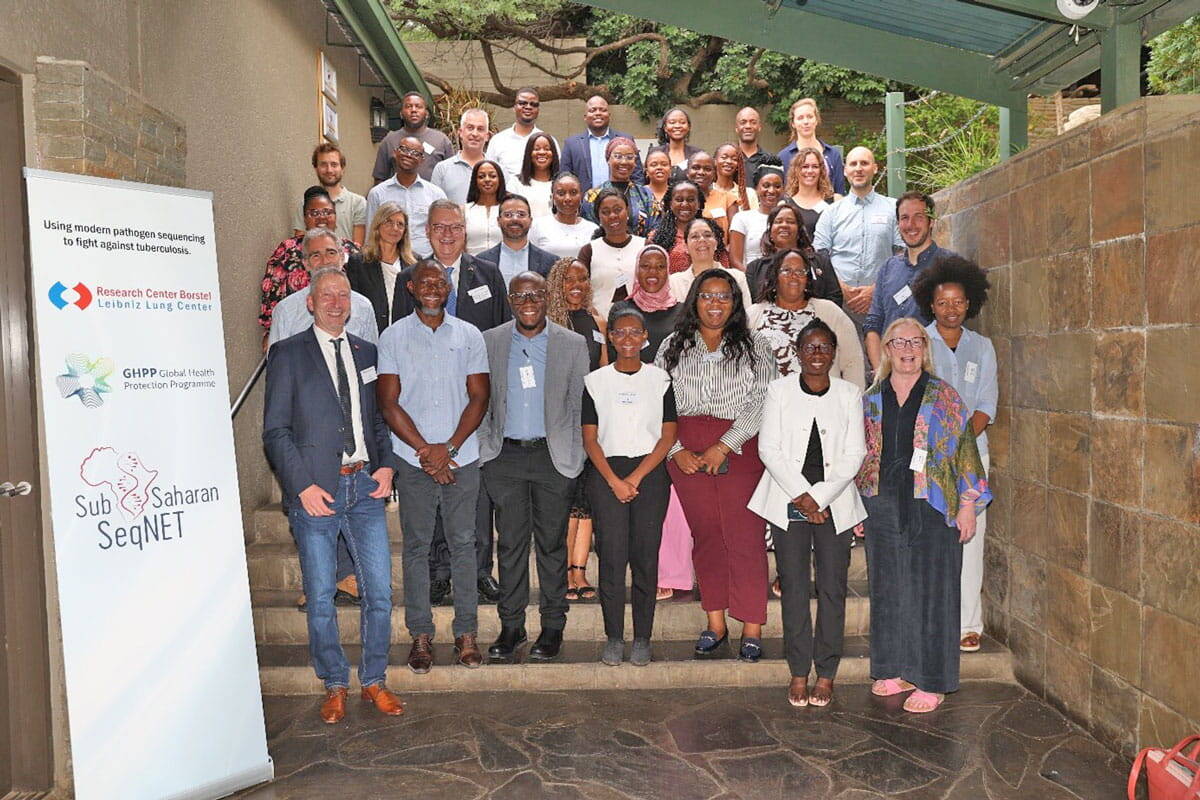
The GHPP-projects SeqMDRTB_NET, Sub-Saharan SeqNET and the current SeqNET+ initiative have contributed substantially to this achievement. Through the close collaboration between experts from Research Center Borstel and the highly motivated partner at University of Namibia, these projects have supported far more than the transfer of sequencing technology. Their efforts have included the development and implementation of diagnostic workflows, laboratory capacity-building, and the fostering of partnerships between local institutions through both virtual and in-person meetings.
The start of routine tNGS testing represents one of the most important steps toward firmly embedding this technology in Namibia’s diagnostic system for Drug Resistant-TB. It is also a major advance toward sustainable, locally led sequencing capacity that will benefit patients and strengthen public health for generations to come. Prof. Niemann from Research Center Borstel adds: “While this technology will significantly improve outcomes of patients with drug-resistant TB, its impact extends far beyond TB. By establishing sequencing capacity within the health system in Namibia, we are also creating a foundation for the early detection and surveillance of emerging infectious pathogens in the future.”
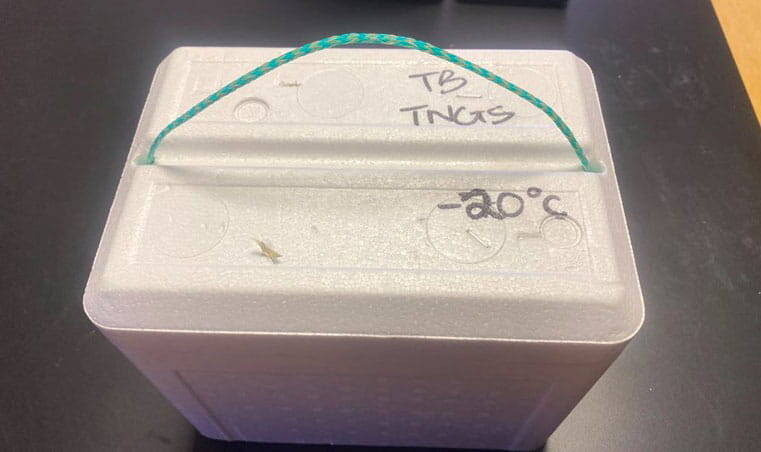
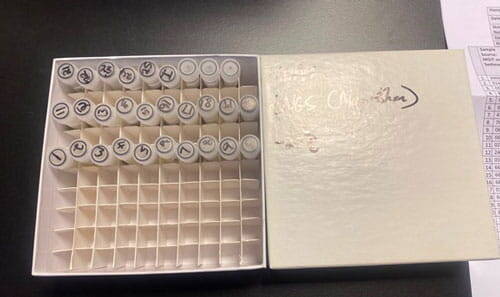
Photos. First batch of clinical samples for routine tNGS testing sent from the the Namibia Institute of Pathology to be submitted to tNGS.
Contact

