

News 2026
 02.11.2026
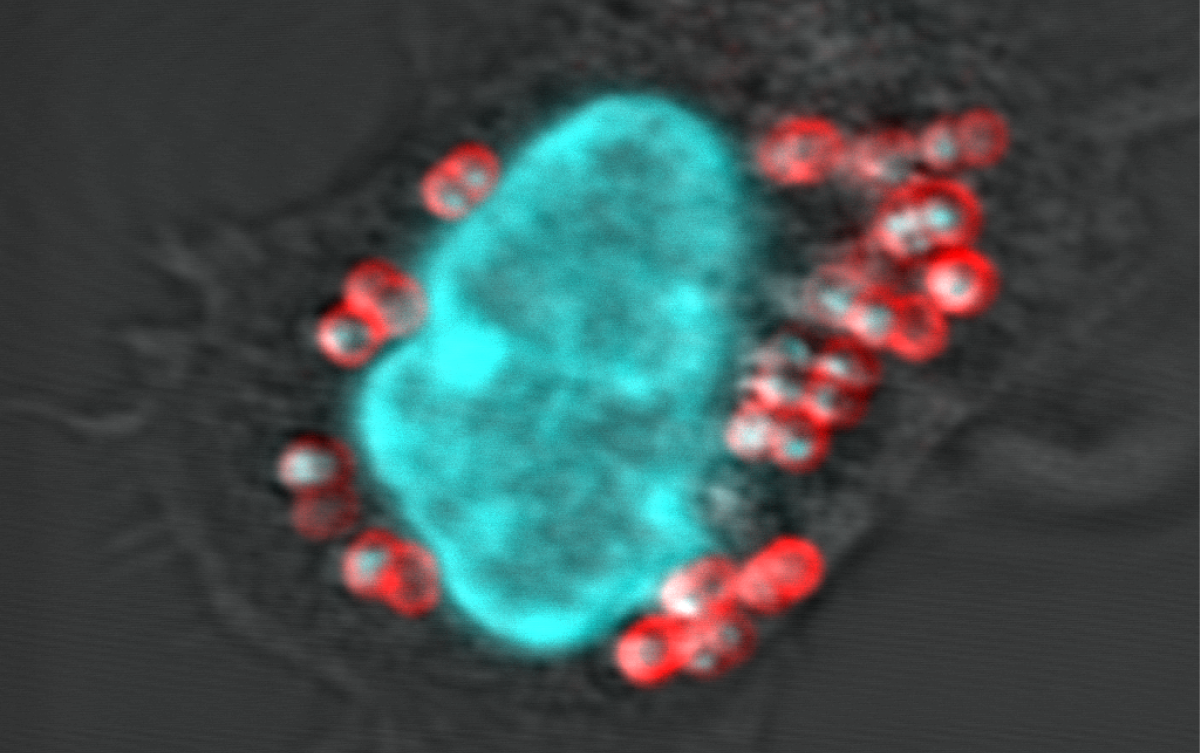
It’s the quantity that matters: How Gut Archaea Activate the Immune System
How does the human immune system recognise archaea that naturally occur in the gut? A research team from the Research Center Borstel, Leibniz Lung Center (FZB) and the Medical University of Graz has investigated how immune cells respond to the two common gut archaea, Methanosphaera stadtmanae and Methanobrevibacter smithii. The findings show that both species trigger a similar immune response, but differ in the speed and magnitude of immune activation. The amount of archaeal RNA taken up by immune cells appears to be the decisive factor.

26.10.2026
Nachruf auf Prof. Dr. Ernst Theodor Rietschel
Das FZB trauert um Prof. Dr. Ernst Rietschel, der am 20. Oktober 2026 im Alter von 85 Jahren verstarb. Mit ihm verliert das Forschungszentrum Borstel eine herausragende Wissenschaftlerpersönlichkeit, einen visionären Wissenschaftsmanager und vor allem einen außergewöhnlichen Menschen.
22.10.2026
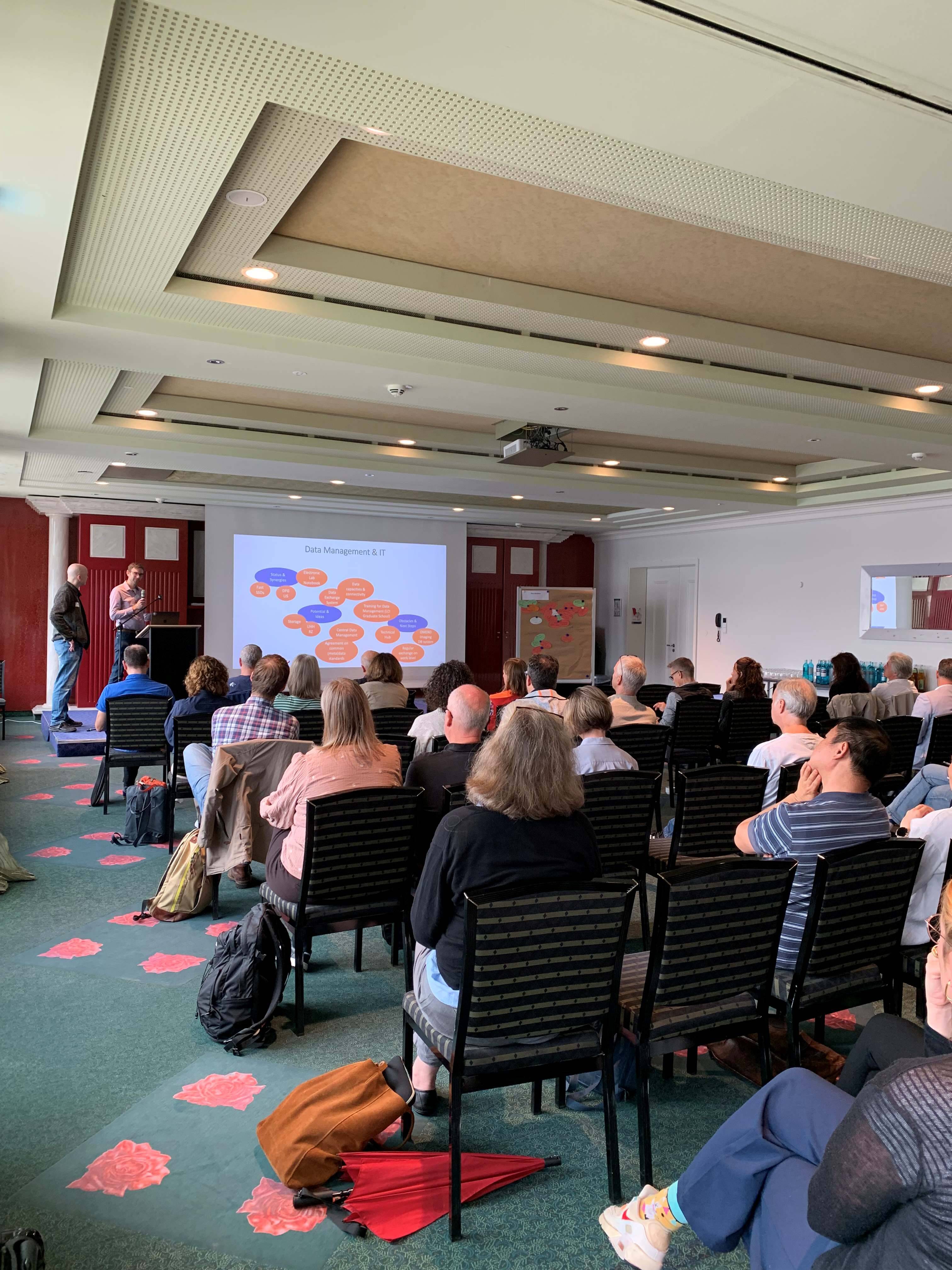
LCI Retreat 2026: Three institutes, two days, countless ideas
Three institutes, two days, countless ideas: On 1 and 2 October the LCI Retreat in Bad Segeberg brought together researchers and staff from the Leibniz Institute of Virology (LIV), the Research Centre Borstel (FZB) and the Bernhard Nocht Institute for Tropical Medicine (BNITM) to explore what can emerge when different expertise, perspectives and ideas meet.
15.10.2026
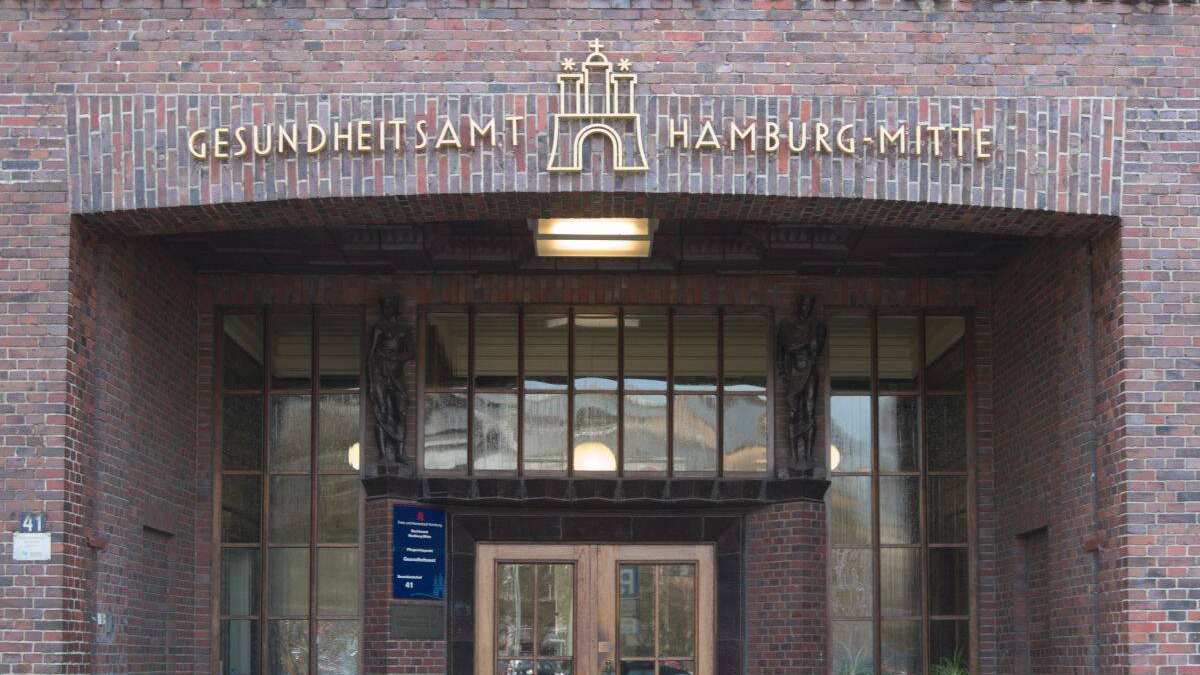
25 years of TB genomics in Hamburg: Migration increases pathogen diversity, but local strains drive transmission
Migration has increased the genetic diversity of TB bacteria in Hamburg. Local transmission, however, has continued to be driven mainly by established strains. These findings are revealed in a long-term study recently published in Genome Medicine.
14.10.2026
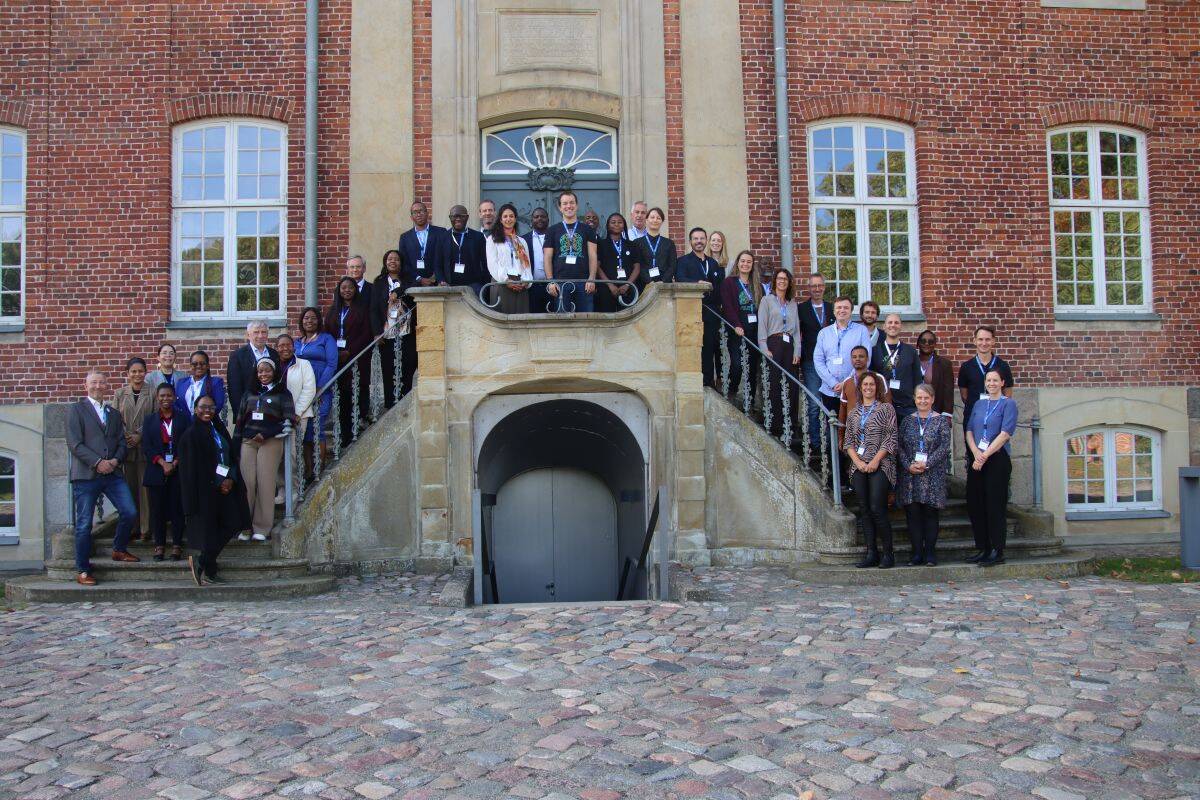
SeqNET+ Consortium Meets to Strengthen Global Collaboration on Drug-Resistant Tuberculosis and other Pathogens
Drug-resistant tuberculosis remains a major and dangerous public health threat worldwide. Against this background, partners from four countries with a high burden of drug-resistant tuberculosis—Eswatini, Mozambique, Namibia, and Moldova—met with international partners for the first Annual Consortium Meeting of the SeqNET+ project.