14.10.2026
SeqNET+ Consortium Meets to Strengthen Global Collaboration on Drug-Resistant Tuberculosis and other Pathogens
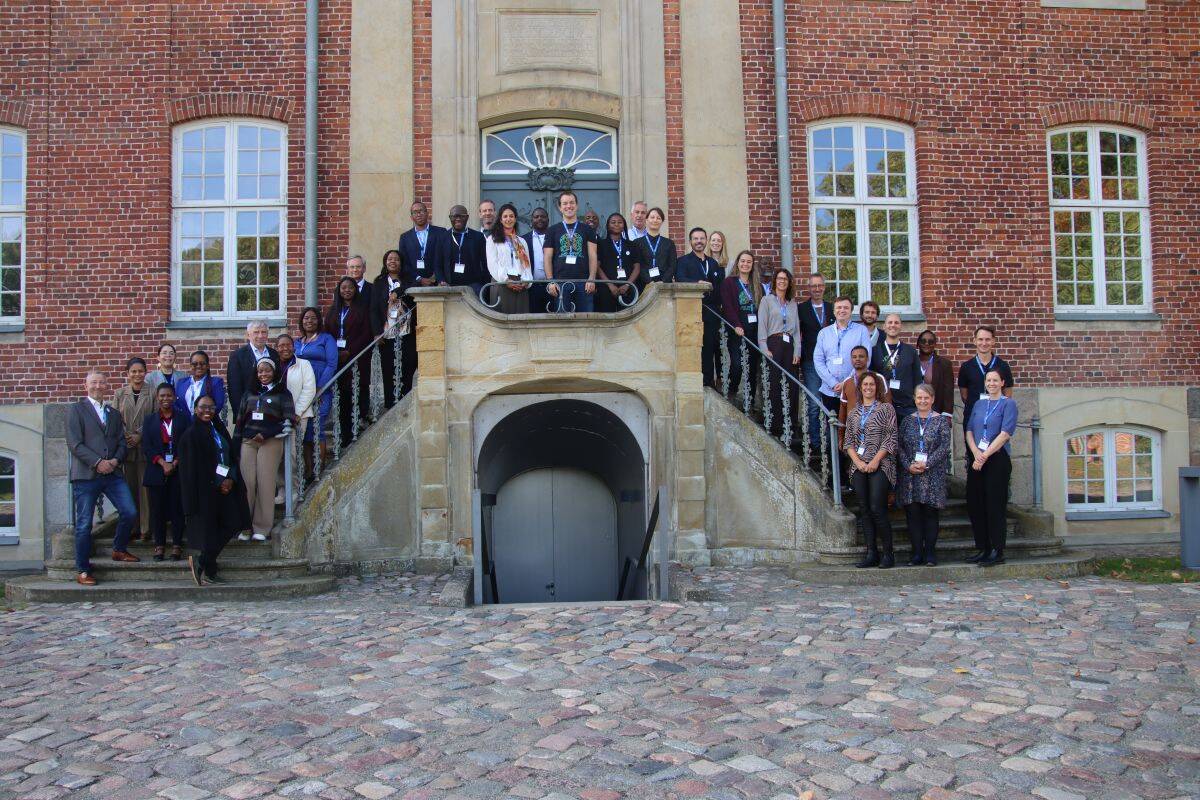
Drug-resistant tuberculosis remains a major and dangerous public health threat worldwide. Against this background, partners from four countries with a high burden of drug-resistant tuberculosis—Eswatini, Mozambique, Namibia, and Moldova—met with international partners for the first Annual Consortium Meeting of the SeqNET+ project.
The meeting took place on 5–6 October 2026 at the Manor House of the Research Center Borstel and provided an important opportunity to reflect on achievements across the partner countries, exchange experiences, and jointly define priorities for the remaining two years of SeqNET+.
SeqNET+ builds on strong partnerships established and continuously strengthened since 2018 through the Global Health Protection Programme (GHPP) of the German Federal Ministry of Health. The GHPP promotes collaboration, mutual learning, and sustainable approaches to strengthening global health. SeqNET+ builds on this foundation by advancing the use of modern sequencing technologies for the diagnosis and surveillance of tuberculosis and other respiratory pathogens, while strengthening local expertise and laboratory capacity.
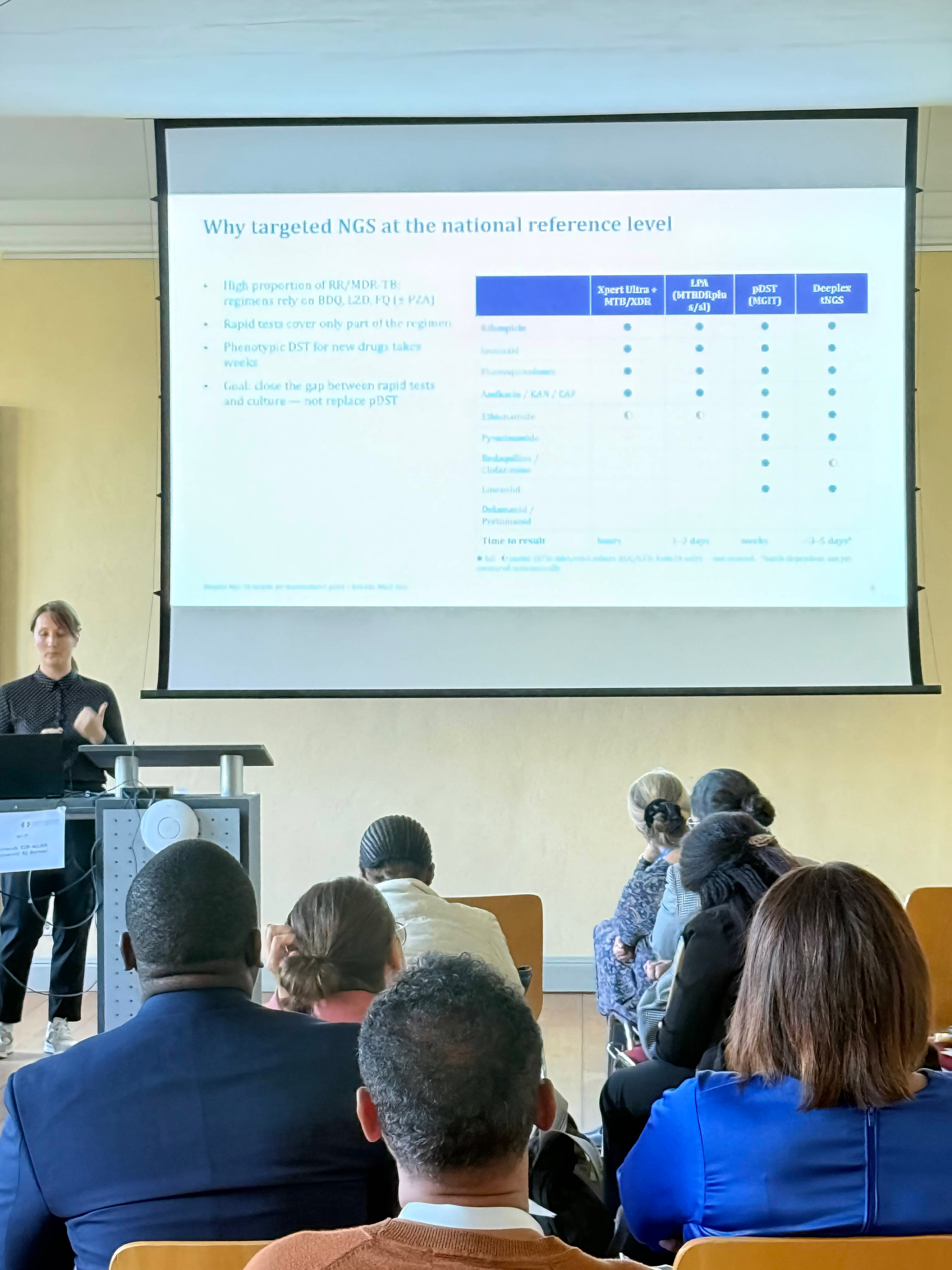
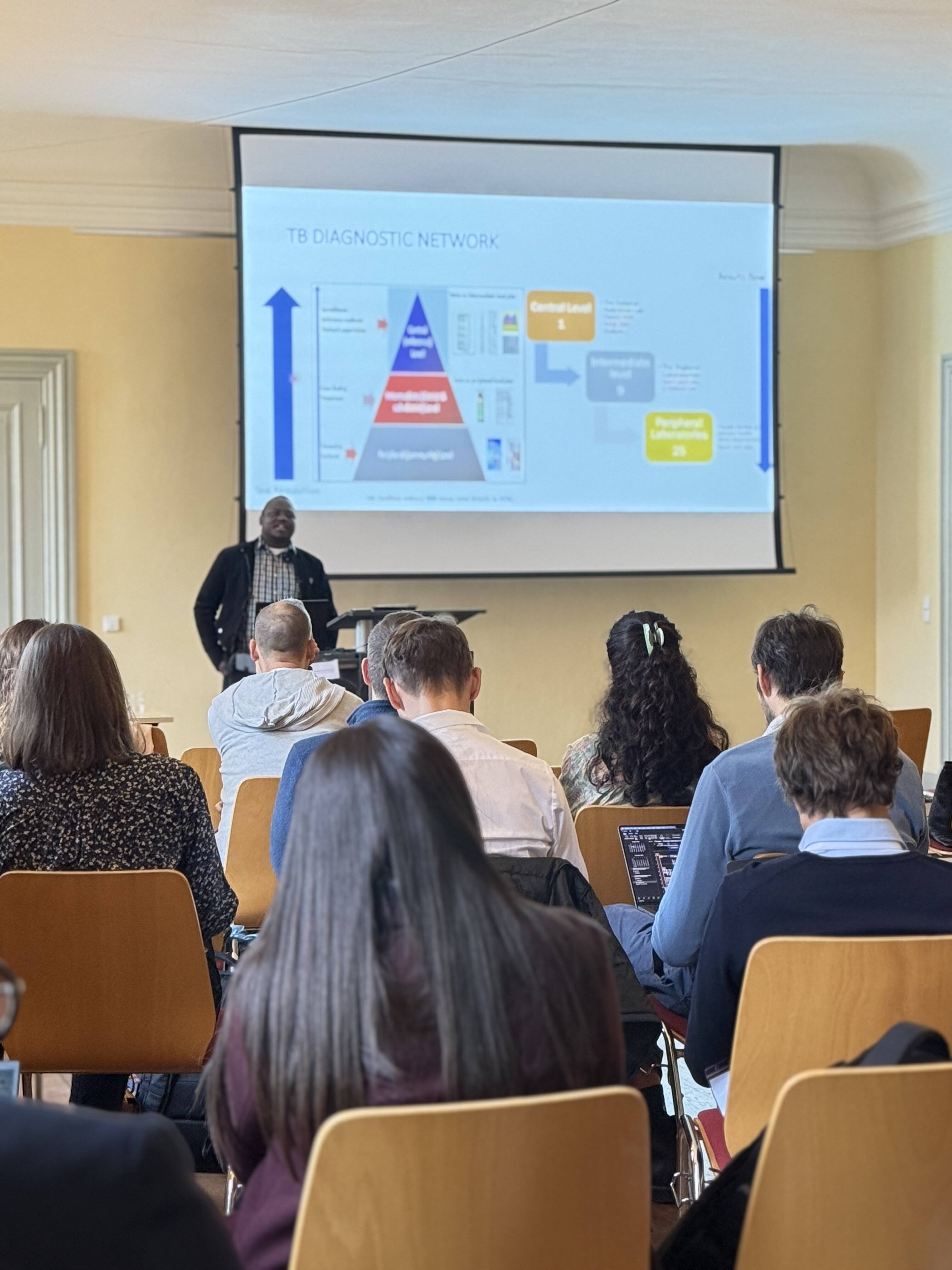
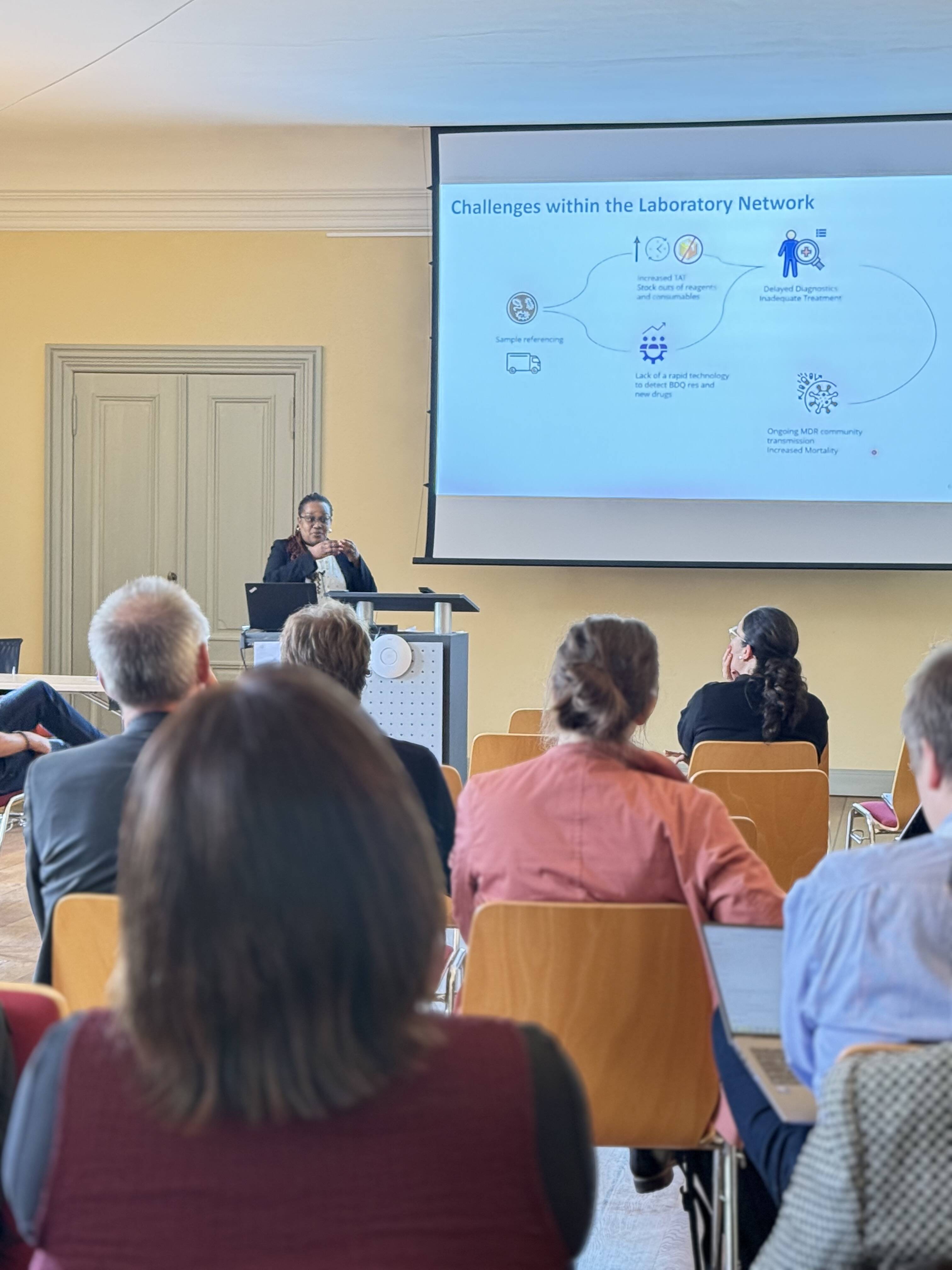
Over the two-day meeting, participants discussed scientific progress, implementation experiences, clinical translation, and strategies for long-term sustainability. Eighteen presentations were delivered across four sessions, covering shared experiences and progress in next-generation sequencing implementation, a review of project achievements, strategic planning for the next phase, and the clinical application and sustainability of targeted next-generation sequencing (tNGS).
Participants also visited the state-of-the-art sequencing and mycobacterial culture laboratories at the Research Center Borstel, Leibniz Lung Center, and National Reference Center at the Research Center Borstel, respectively, providing an opportunity to exchange experiences on laboratory infrastructure and workflows.

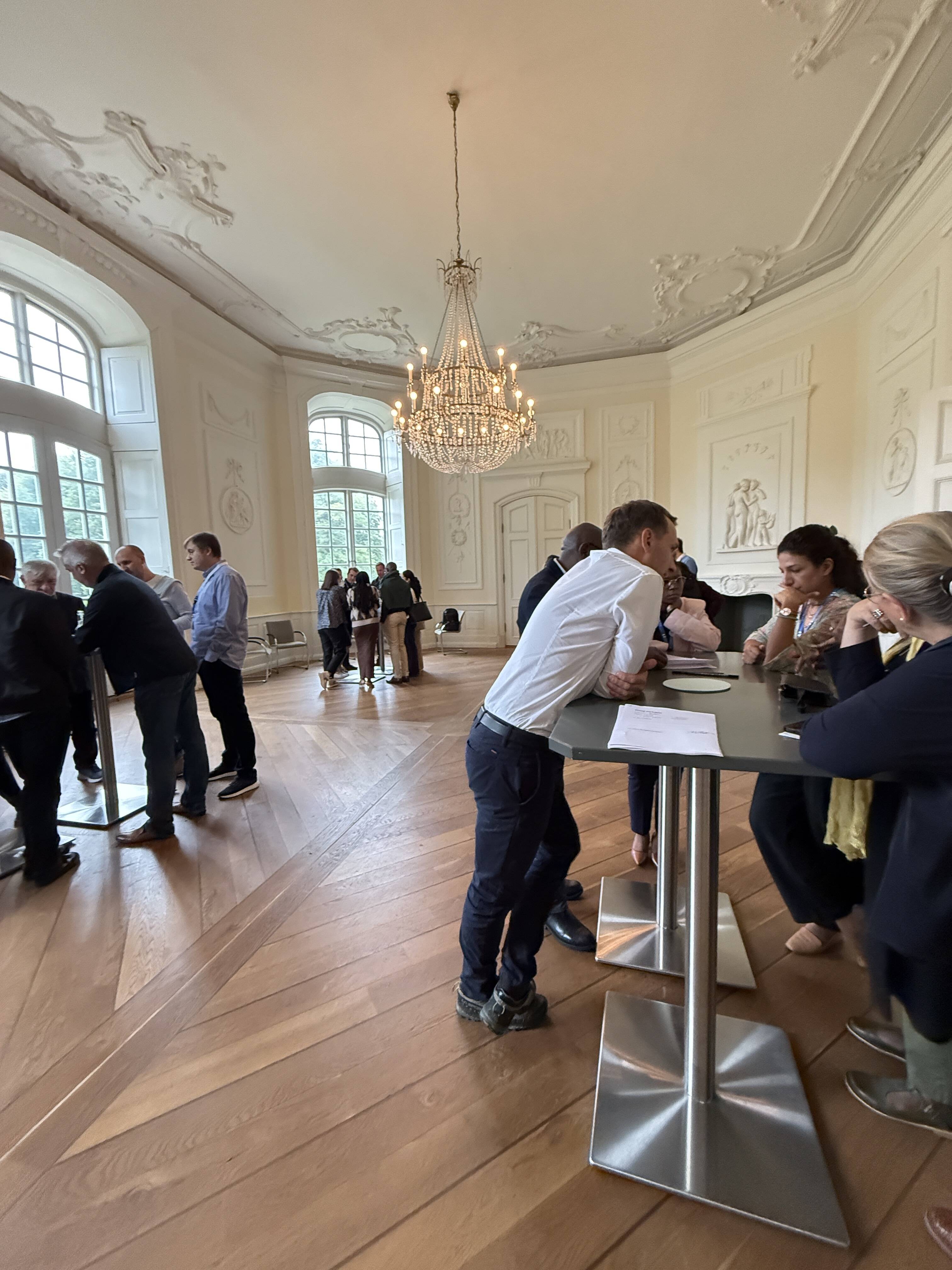
A dedicated World Café session encouraged participants to discuss the main challenges facing the project in four key areas: laboratory work, bioinformatics, clinical translation, and sustainability. The discussions highlighted the importance of continued cross-country exchange and resulted in the decision to establish a cross-country working group to address common challenges and facilitate joint solutions and joint grant applications.
The meeting also highlighted the rapid development of sequencing capacity across the partner countries. A keynote presentation on Mozambique demonstrated how the country's sequencing capacity has evolved through a long-standing partnership that predates the formal launch of the first NGS implementation project in 2018. Similar progress has been achieved in the other partner countries, demonstrating the value of sustained international collaboration and local ownership.
At the same time, partners openly discussed current challenges to global health programmes, including reductions in available funding. The consortium identified diversification of funding sources and stronger local advocacy as important priorities for the coming years. Engagement with national decision-makers and health authorities will be strengthened, with the aim of securing national support for sequencing-based diagnostics and surveillance alongside continued collaboration with international donors.
The atmosphere throughout the meeting was highly interactive and constructive. Partners expressed strong motivation to build on the achievements of recent years and work together towards the next phase of SeqNET+. The meeting reaffirmed a shared commitment to strengthening local capacities, translating sequencing technologies into clinical and public health practice, and ensuring that the benefits of genomic diagnostics can be sustained in countries most affected by drug-resistant tuberculosis.
The SeqNET+ consortium now looks ahead to the final two years of the project with a clear focus: turning strong international partnerships, growing local expertise, and technological innovation into sustainable improvements in tuberculosis diagnosis, surveillance, and control.