

News 2026

 10.08.2026
Nachruf Prof. Dr. med. Hans-Dieter Flad
Der ehemalige Direktor der Abteilung Immunologie und Zellbiologie am FZB, Prof. Dr. med. Hans-Dieter Flad, ist im Juli im Alter von 91 Jahren verstorben. Er hat die Geschicke des FZB nach der Neuordnung durch den Wissenschaftsrat fast zwei Jahrzehnte entscheidend mitgeprägt.
06.08.2026
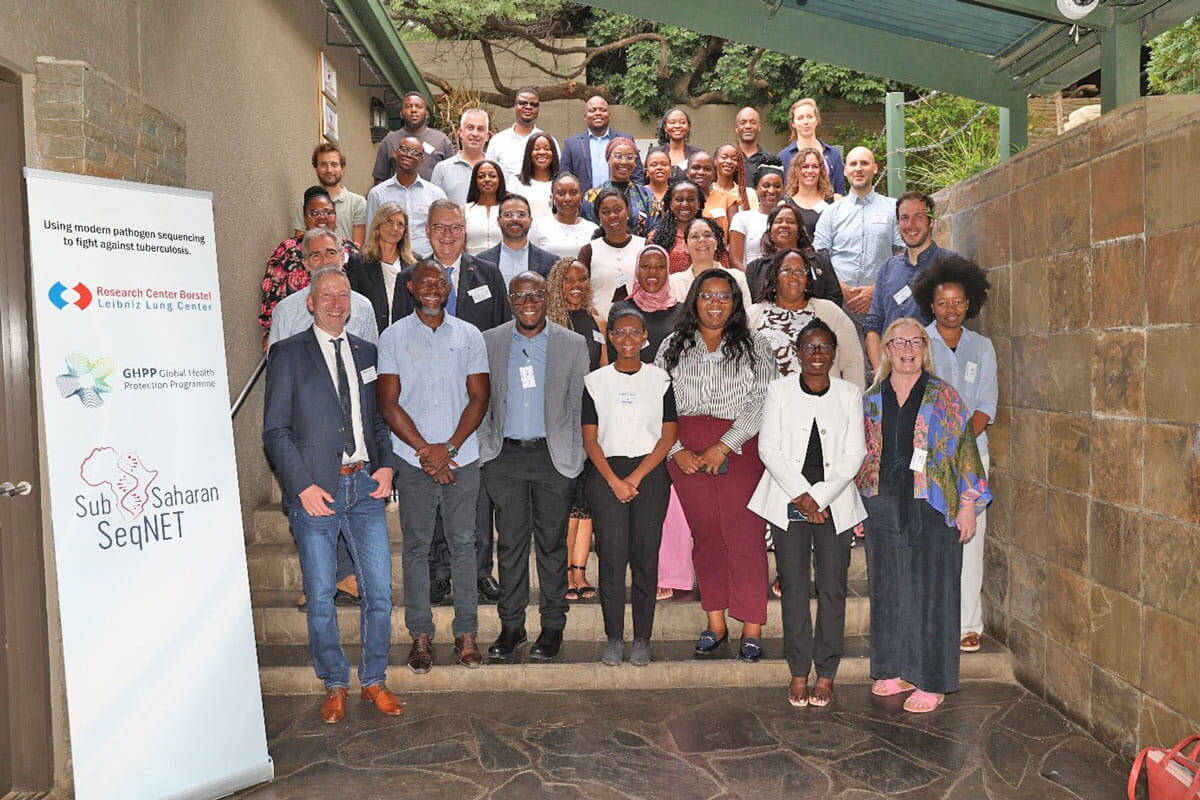
Routine Targeted Next-Generation Sequencing Begins in Namibia
First Tuberculosis Samples Arrive in the Sequencing Lab
Targeted Next-Generation Sequencing (tNGS), endorsed by the World Health Organization since 2023, can help close critical gaps in the diagnosis of drug-resistant tuberculosis (DR-TB). The technology enables the rapid and comprehensive detection of genetic mutations in the bacterium Mycobacterium tuberculosis that cause resistance to antibiotics. By identifying these resistance-conferring mutations early, clinicians can select effective treatment regimens much sooner. This helps prevent ineffective therapy, shortens the time to appropriate treatment, reduces the risk of ongoing transmission, and ultimately improves patient outcomes.

28.07.2026
Broad coalition to combat drug-resistant tuberculosis in Europe
Tuberculosis remains the world’s deadliest infectious disease caused by a single pathogen. In 2024, an estimated 10.7 million people worldwide developed tuberculosis, and 1.23 million died from the disease. The situation is particularly critical for drug-resistant tuberculosis: only around two in five affected individuals had access to treatment in 2024. Moreover, treatment outcomes remain substantially poorer than for drug-susceptible tuberculosis.

24.07.2026
Expertise Knows No Borders: Diana Udovenko Wins the BREATHE Final Quiz
The first online lecture series on infectious diseases organized as part of the BREATHE project concluded with an interactive “Infectious Diseases Jeopardy” quiz. Dr Diana Udovenko achieved the highest score and received a Littmann stethoscope in recognition of her quick and precise answers.

21.07.2026
Asthma: New Mechanism of Action Curbs Inflammatory Response
A team from the University of Bonn and the Research Center Borstel, Leibniz Lung Center (FZB) has discovered a previously unknown mechanism of action for a synthetic peptide that mitigates excessive inflammatory responses in allergic asthma. This mechanism specifically inhibits a key inflammatory switch in the immune system and opens up new avenues for treating chronic inflammatory diseases. The findings have now been published in the journal Advanced Science.